Kratom is gaining increasing attention in ethnobotanical research circles, scientific databases and the collector community. What exactly is kratom, what alkaloids does it contain, what kratom effects are being studied scientifically – and is kratom legal in Germany and Austria in 2026? This article provides a thorough, up-to-date overview.
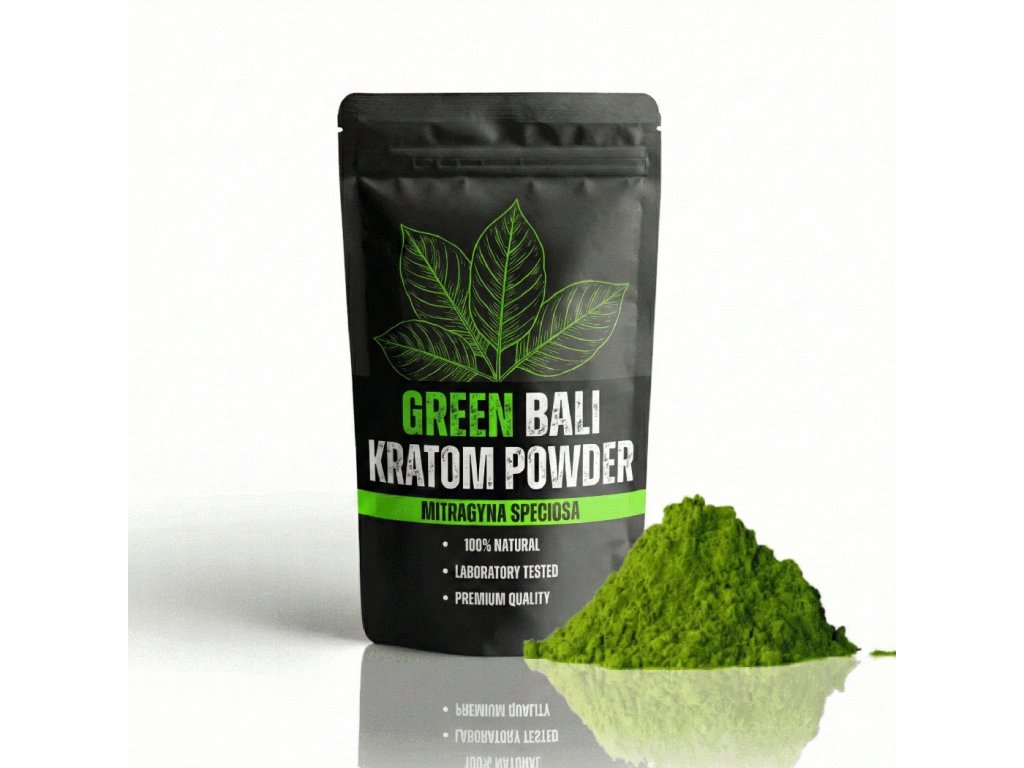
Kratom powder (Green Bali) from KetumGas – sourced from mature trees in Indonesia, nano-ground and independently lab-tested
What is Kratom? – The Mitragyna speciosa Plant
Kratom is the common name for the plant Mitragyna speciosa, a tropical tree from the Rubiaceae (coffee) family that grows natively in the rainforests of Southeast Asia – primarily in Indonesia, Malaysia and Thailand. The tree can reach heights of up to 25 metres and produces large, dark-green leaves with prominent veins.
Kratom has been cultivated and used by indigenous populations in Southeast Asia for centuries. In the Western world, ethnobotanical and scientific interest in Mitragyna speciosa has grown significantly since the 2000s. At KetumGas you will find lab-tested kratom powder sourced from mature Indonesian trees.
| Property | Details |
|---|---|
| Scientific name | Mitragyna speciosa (Korth.) Havil. |
| Family | Rubiaceae (coffee family) |
| Origin | Indonesia, Malaysia, Thailand, Papua New Guinea |
| Max. height | Up to 25 metres |
| Known alkaloids | Mitragynine, 7-Hydroxymitragynine, Speciogynine, etc. |
| Product forms | Powder, extract, tablets, pellets, strips |
Kratom Alkaloids: The Active Compounds in Detail
The scientific core of kratom lies in its alkaloids – biochemically active nitrogen compounds that occur naturally in the plant. More than 40 different alkaloids have been identified in kratom leaves so far. Their ratio varies depending on strain, region of origin, harvest time and processing method.
Mitragynine – the primary alkaloid
Mitragynine is the most abundant alkaloid in kratom, typically accounting for 60–70% of the total alkaloid fraction. It is structurally unique and found exclusively in Mitragyna speciosa. Mitragynine acts as a partial agonist at μ-opioid receptors and antagonistically at κ- and δ-receptors. For laboratory applications, KetumGas offers a Mitragynine Extract 80% in pure substance quality.
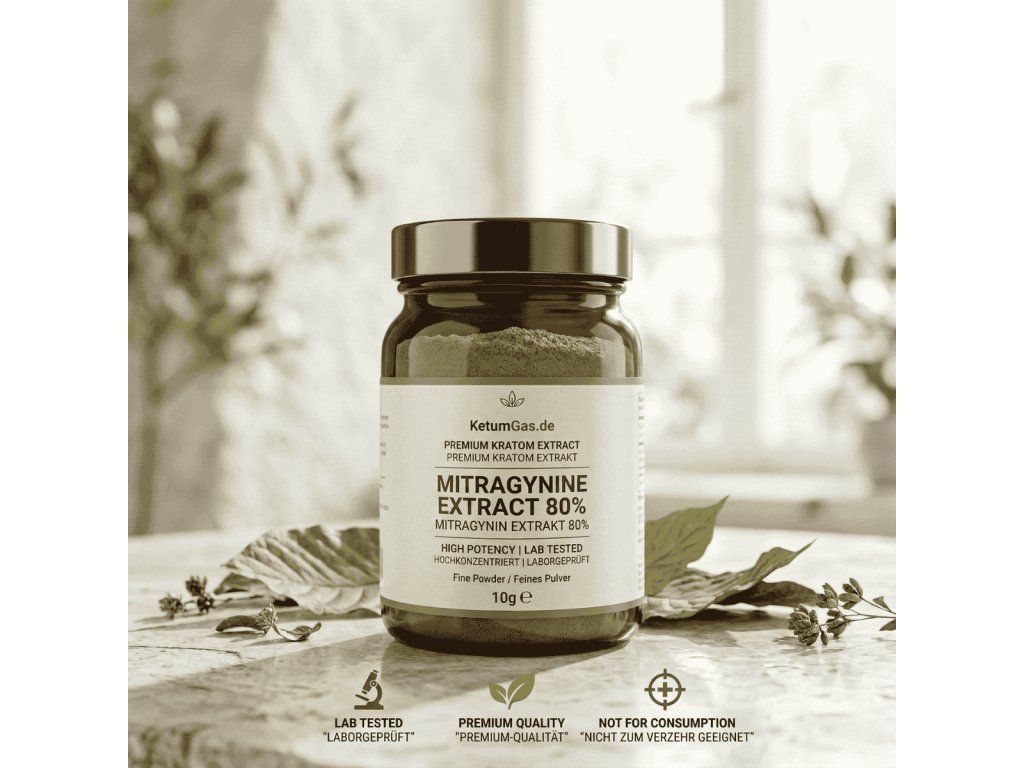
Mitragynine Extract 80% – highly concentrated pure substance for laboratory applications
7-Hydroxymitragynine (7-OH) – the most potent alkaloid
Although 7-Hydroxymitragynine – abbreviated 7-OH – occurs in concentrations below 2% in the natural plant, it is considered the pharmacologically most significant alkaloid in kratom. Studies show that 7-OH exhibits considerably stronger binding affinity to opioid receptors than mitragynine itself. In specialised extracts it is selectively isolated and concentrated to high purity.
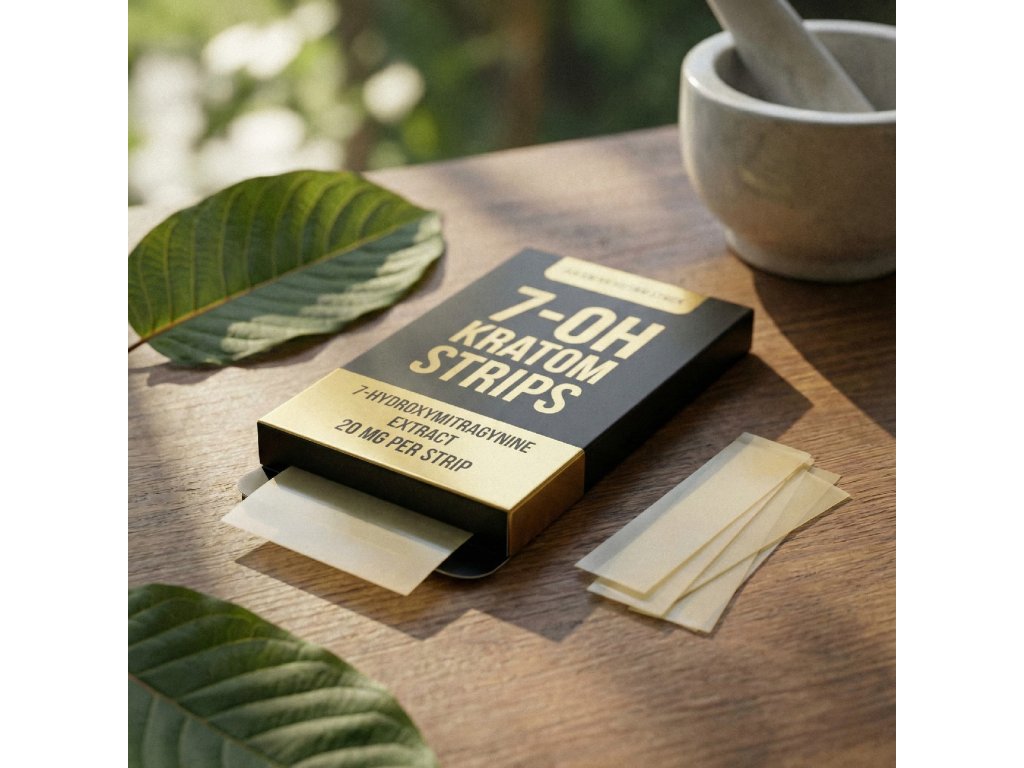
KetumGas offers 7-OH in several forms for research purposes:
- 7-OH Tablets 7.5 mg – precisely dosed unit
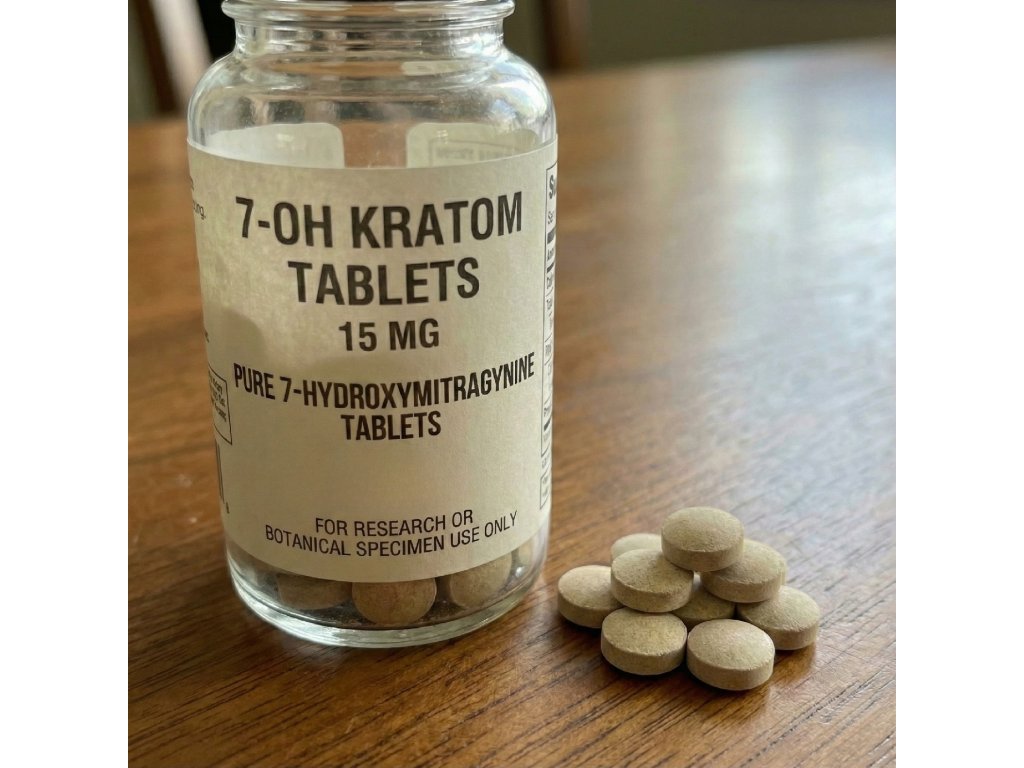
- 7-OH Tablets 15 mg – for higher dosage ranges
- 7-OH Strips 20 mg – highly soluble for fluid-based laboratory experiments
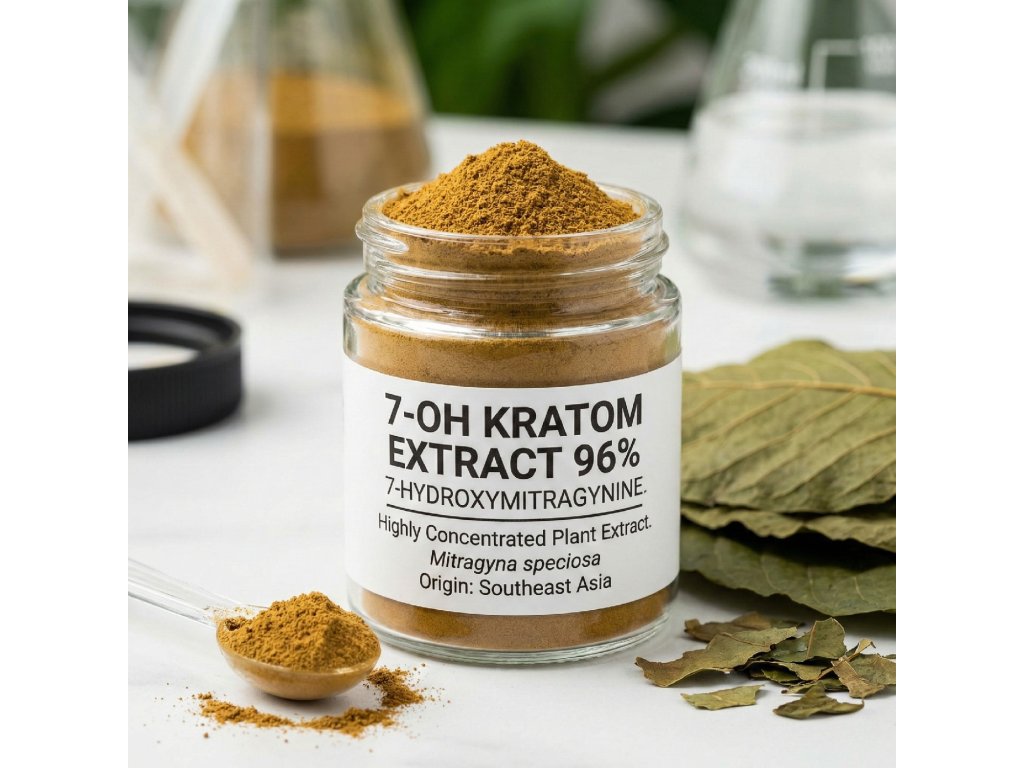
- 7-OH Extract 96% – highest available purity
Further alkaloids
Beyond mitragynine and 7-OH, kratom contains other scientifically studied alkaloids: speciogynine, speciociliatine, paynantheine and corynantheidine. Each exhibits its own pharmacological profile and contributes to the complexity of the overall extract.
Kratom Effects – Current State of Research
The kratom effects of its alkaloids have been the subject of intensive pharmacological research since the 2000s. Central to this research are the mechanisms by which mitragynine and 7-OH interact with the human receptor system.
Pharmacological mechanisms
Mitragynine and 7-Hydroxymitragynine bind as partial agonists at μ-opioid receptors and antagonistically at κ- and δ-opioid receptors. This distinguishes them structurally from classical opiates. 7-OH exhibits significantly higher receptor affinity than its precursor mitragynine.
Current research focuses include:
- Binding kinetics and selectivity of kratom alkaloids at opioid receptors
- Structural differences compared to synthetic opioids
- Metabolism and bioavailability of mitragynine and 7-OH
- Stability of isolated pure substances under standardised laboratory conditions
- Interactions between the 40+ identified alkaloids
- Preclinical studies on potential pharmacological applications
A comprehensive overview of published studies can be found in the PubMed database (NIH), where over 500 scientific publications on Mitragyna speciosa and its alkaloids are currently listed.
Kratom Strains: Red, Green, White and Gold Compared
In the ethnobotanical collector community, kratom is traditionally classified by the colour of the leaf midrib – an indicator of leaf maturity at harvest time and the associated alkaloid profile.
| Strain | Harvest time | Alkaloid profile | Example at KetumGas |
|---|---|---|---|
| Red Kratom | Fully mature | Highest total alkaloid content | Red Bali |
| Green Kratom | Medium maturity | Balanced alkaloid profile | Green Bali |
| White Kratom | Early harvest | Light, young alkaloid profile | White Bali |
| Gold Kratom | Special drying process | Fermented, complex profile | Gold Bali |
Regions of origin: Bali, Borneo, Jonkkong
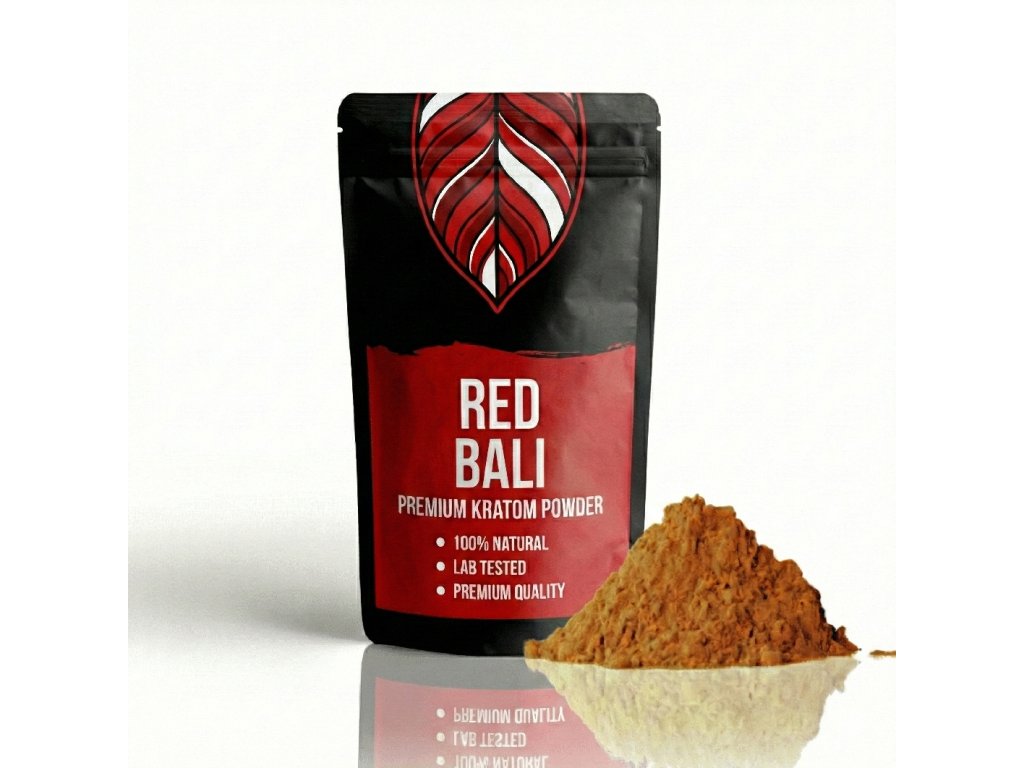
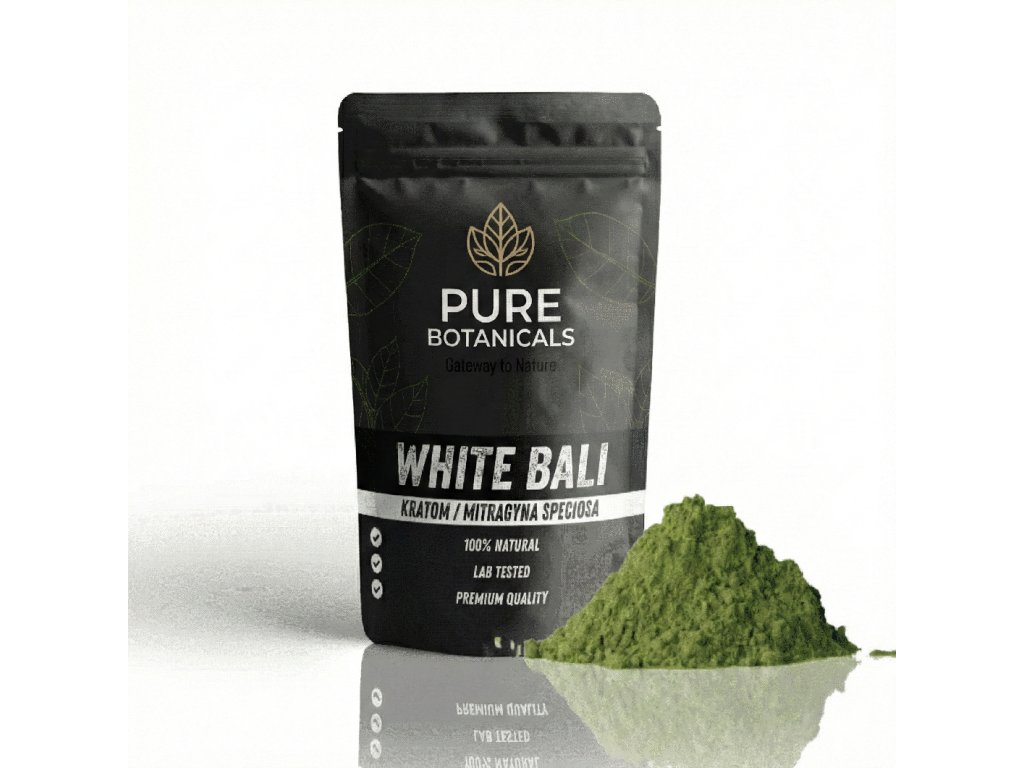
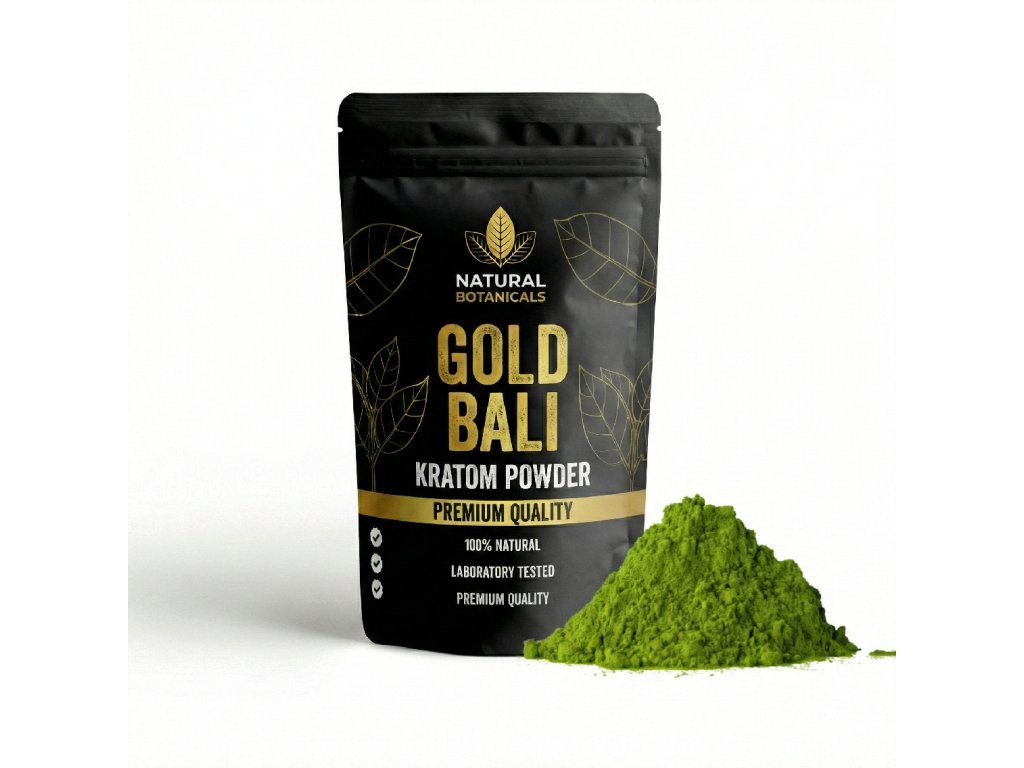
Geographic names such as Bali, Borneo and Jonkkong refer to the growing region or traditional variety. All KetumGas kratom powder is sourced exclusively from mature trees in Indonesia and processed using nano-grinding technology for an ultra-fine texture – available in Red, Green, White and Gold across the Bali, Borneo and Jonkkong regions.
For collectors interested in aromatic varieties, KetumGas also offers Fruit Kratom with natural flavours such as Cherry-Cola, Energy Drink and Apple – with the full natural alkaloid profile preserved.
Kratom Dosage: Alkaloid Concentration by Product Form
For reproducible results in fundamental research, precise kratom dosage is critical. Alkaloid concentration varies considerably depending on the level of processing:
| Product | Mitragynine content | Application |
|---|---|---|
| Kratom Powder | approx. 0.5–1.5% | General alkaloid extraction, full-spectrum research |
| Kratom Tablets | Standardised per unit | Reproducible dosing, dust-free |
| Mitragynine Extract 80% | 80% | Highly concentrated pure substance for laboratory use |
| 7-OH Tablets 7.5 mg | 7.5 mg 7-OH / unit | Precise in vitro experiments |
| 7-OH Tablets 15 mg | 15 mg 7-OH / unit | Higher dosage ranges in research |
| 7-OH Strips 20 mg | 20 mg 7-OH / unit | Water-soluble, ideal for solution experiments |
| 7-OH Extract 96% | 96% 7-OH | Highest purity for demanding applications |
Is Kratom Legal? Status in Germany and Austria 2026
The question "is kratom legal?" requires a more nuanced answer in 2026 than it did a few years ago. The legal foundation remains unchanged – but regulatory communication has intensified.
Germany: Legal status 2026
Kratom (Mitragyna speciosa) is listed in neither the German Narcotics Act (BtMG) nor the New Psychoactive Substances Act (NpSG). Private possession and purchase are therefore not a criminal offence.
Important: On 1 July 2025, the Federal Institute for Drugs and Medical Devices (BfArM) issued an official warning against the medical use of kratom. The BfArM states that kratom is not approved as a medicinal product and its safety and efficacy have not been adequately assessed. This warning is not a ban – it is directed at health-related marketing and medical application.
KetumGas.de sells kratom exclusively as a botanical specimen and research material – fully compliant with current legislation. No health-related claims are made.
Austria
In Austria, kratom is not listed in the Narcotic Substances Act (SMG). The legal situation is comparable to Germany: possession and trade as a botanical specimen are permitted; marketing as a food or medicinal product is not. KetumGas.de also ships to Austrian customers – details on the shipping page.
EU overview
Within the EU, the legal situation varies considerably between member states. In some countries (e.g. the Netherlands, Denmark) stricter restrictions apply. Please check the legislation in your country independently before ordering. The EMCDDA (European Monitoring Centre for Drugs) publishes up-to-date country-specific overviews.
Lab-tested kratom range – exclusively for research & collectors
Frequently Asked Questions about Kratom (FAQ)
What is kratom and where does it come from?
Kratom is the common name for the tropical plant Mitragyna speciosa, a member of the coffee family (Rubiaceae). It is native to the rainforests of Southeast Asia – primarily Indonesia, Malaysia and Thailand – and contains over 40 naturally occurring alkaloids, including mitragynine and 7-hydroxymitragynine.
What kratom effects are being studied scientifically?
Scientists are primarily investigating the binding affinity of mitragynine and 7-OH at opioid receptors (μ, κ, δ), the metabolism of the alkaloids, and potential preclinical applications. Medical efficacy claims are not sufficiently established. KetumGas sells kratom exclusively for research and collector purposes.
Is kratom legal in Germany?
Yes, kratom is legal in Germany in 2026. The plant is listed in neither the BtMG nor the NpSG. The BfArM issued a warning in July 2025 against medical use – but this is not a ban. Sale as a botanical specimen or research material remains permitted.
What is the difference between kratom powder and 7-OH extract?
Kratom powder contains the full natural alkaloid spectrum of the plant (typically 0.5–1.5% mitragynine). 7-OH extracts selectively isolate and concentrate 7-hydroxymitragynine – the most pharmacologically potent alkaloid – to up to 96% purity.
What kratom strains are available?
The most common varieties are Red, Green, White and Gold Kratom – named after the leaf midrib colour at harvest time. Geographic designations such as Bali, Borneo and Jonkkong indicate the growing region in Indonesia.
How is KetumGas kratom tested?
Every batch is tested by two independent accredited laboratories: UCT Prague (VŠCHT) for mitragynine content, mycotoxins and pesticides; the State Veterinary Institute Brno (SVÚ) for heavy metals including mercury, lead, cadmium and arsenic. All results are publicly available.